%20scale(0.100000,-0.100000)'%20fill='url(%23logoGradient)'%20stroke='none'%3e%3cpath%20d='M1291%205109%20c-106%20-12%20-250%20-53%20-334%20-94%20-204%20-100%20-328%20-250%20-389%20-471%20-20%20-74%20-22%20-106%20-26%20-494%20-2%20-228%20-8%20-422%20-13%20-431%20-8%20-15%20-34%20-18%20-236%20-21%20-244%20-3%20-260%20-6%20-282%20-55%20-14%20-31%20-14%20-325%200%20-356%2022%20-48%2039%20-52%20281%20-57%20124%20-3%20230%20-9%20235%20-13%204%20-5%2010%20-697%2013%20-1538%20l5%20-1528%2023%20-23%20c22%20-22%2028%20-23%20227%20-23%20199%200%20205%201%20227%2023%20l23%2023%205%201530%20c4%201345%207%201531%2020%201539%209%206%20449%2010%201142%2010%201104%200%201128%200%201138%20-19%207%20-13%2010%20-311%2010%20-898%200%20-743%20-3%20-888%20-15%20-941%20-45%20-190%20-162%20-305%20-344%20-338%20-98%20-17%20-324%20-17%20-422%200%20-168%2030%20-271%20122%20-315%20281%20-21%2076%20-31%20487%20-16%20616%2019%20153%2071%20253%20166%20316%2082%2056%20129%2065%20358%2072%20l208%206%2027%2028%2028%2027%200%20169%20c0%20181%20-6%20209%20-52%20230%20-31%2014%20-398%2015%20-513%201%20-114%20-14%20-189%20-35%20-285%20-80%20-216%20-100%20-353%20-271%20-422%20-526%20l-27%20-99%20-1%20-395%20c0%20-350%202%20-404%2018%20-475%2038%20-162%20100%20-285%20200%20-392%20113%20-121%20251%20-195%20435%20-233%20131%20-26%20499%20-29%20619%20-4%20136%2028%20233%2084%20300%20174%2020%2027%2041%2050%2045%2050%204%200%208%20-137%208%20-305%200%20-338%204%20-362%2057%20-384%2021%20-9%2085%20-11%20217%20-9%20l188%203%2024%2028%2024%2028%200%201512%20c0%201328%202%201515%2015%201534%2014%2021%2023%2021%20237%2025%20151%202%20230%207%20244%2015%2039%2022%2046%2060%2042%20236%20-3%20188%20-5%20193%20-80%20208%20-23%204%20-766%208%20-1650%209%20l-1607%200%20-11%2021%20c-8%2014%20-10%20125%20-8%20367%205%20381%2010%20423%2068%20512%2033%2051%2074%2081%20151%20113%2054%2022%2055%2022%20909%2025%20593%202%20875%200%20919%20-8%20138%20-24%20221%20-89%20261%20-204%2018%20-48%2023%20-96%2029%20-231%207%20-173%2014%20-205%2051%20-225%2011%20-6%2099%20-10%20210%20-10%20l192%200%2029%2029%2029%2029%200%20155%20c0%20228%20-31%20382%20-107%20528%20-121%20234%20-337%20370%20-648%20408%20-108%2013%20-1740%2013%20-1854%200z'/%3e%3cpath%20d='M4579%20871%20l-24%20-19%200%20-402%200%20-402%2028%20-24%20c28%20-24%2030%20-24%20247%20-24%20233%200%20260%205%20279%2047%207%2016%2011%20148%2011%20407%200%20373%20-1%20384%20-21%20410%20l-20%2026%20-239%200%20c-219%200%20-240%20-1%20-261%20-19z'/%3e%3c/g%3e%3c/svg%3e)
Best Practices for Seamless SaaS Integrations
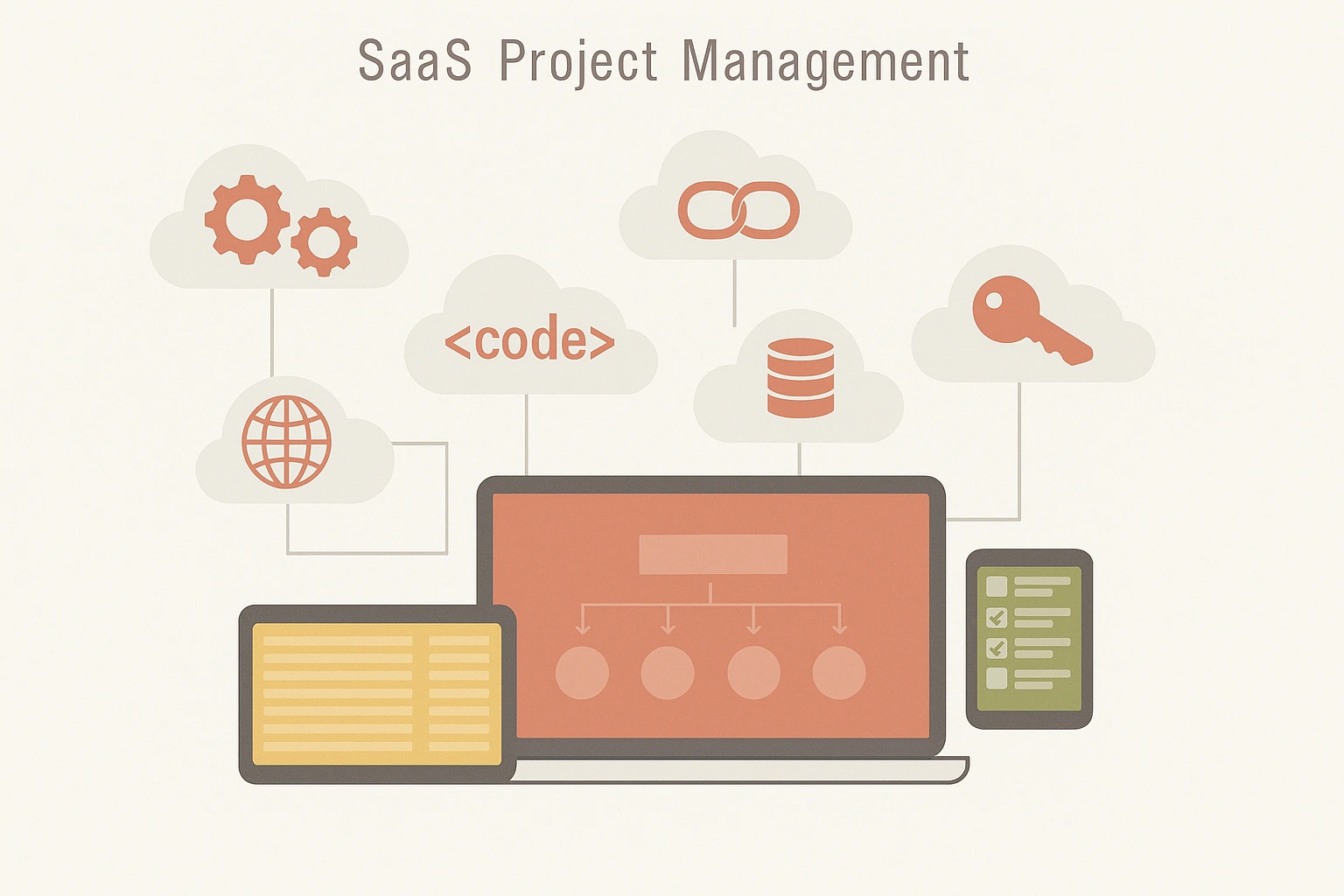
Ensuring smooth software-as-a-service (SaaS) integrations is crucial for businesses looking to enhance productivity and minimize downtime. A well-planned integration strategy can help companies connect tools efficiently, automate workflows, and improve overall performance.
1. Define Clear Objectives
Before integrating SaaS applications, outline your business needs and goals. Understanding why you need the integration will help you select the right tools and ensure a successful implementation.
2. Choose Compatible Solutions
Not all SaaS applications are designed to work seamlessly with each other. Look for tools that offer robust APIs and native integration support to minimize development efforts and compatibility issues.
3. Prioritize Security and Compliance
Data security is a major concern in SaaS integrations. Ensure that all integrated applications follow industry security standards, encrypt sensitive data, and comply with regulations such as GDPR or HIPAA.
4. Implement a Scalable Integration Strategy
As your business grows, so will your integration needs. Use scalable integration platforms that can accommodate additional services without requiring major reconfigurations.
5. Monitor and Optimize Performance
Post-integration, regularly monitor performance metrics to identify bottlenecks or inefficiencies. Use analytics tools to optimize workflows and ensure that integrations are delivering expected benefits.
Conclusion
A well-executed SaaS integration strategy helps businesses operate more efficiently while reducing manual efforts. By defining clear goals, prioritizing security, and continuously optimizing, companies can achieve seamless software connectivity for long-term success.